Conditions
Low back pain and sciatica
Low back pain is pain in the lower part of the back. Sciatica, or lumbar radiculopathy, is pain that travels down the buttock and leg when a nerve root in the spine is irritated or compressed, often by a disc herniation, and it usually comes with tingling, burning or loss of strength. Most cases improve within a few weeks with movement and conservative treatment. When the pain persists, keeps coming back or spreads down the leg, an accurate diagnosis is worthwhile. Dr Julio De la Morena assesses it at Hospital Memorial Publio Cordón (Pozuelo de Alarcón, Madrid).
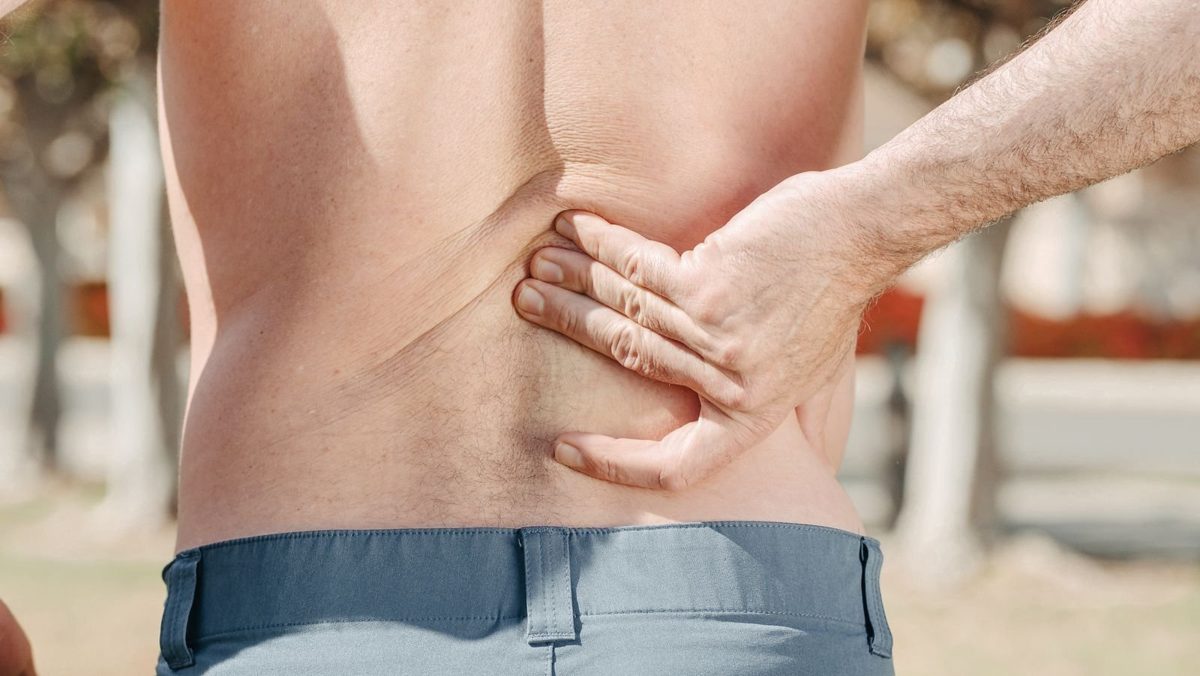
Low back pain and radiculopathy are not the same
In low back pain the pain stays in the back and usually comes from muscles, joints or discs. In radiculopathy the problem is a nerve: the pain follows the path of the affected root (L4, L5 or S1) down the leg, sometimes to the foot. Telling them apart changes the treatment.
When to see a doctor
- Back pain lasting more than six weeks or that keeps coming back.
- Pain running down the leg, especially below the knee.
- Tingling, numbness or weakness in the leg or foot.
- An MRI showing a disc herniation and doubts about whether surgery is needed.
How it is diagnosed
The physical and neurological examination matters most: strength, reflexes, sensation and tests that stretch the nerve. An MRI is requested when radiculopathy is not improving or when the result will change the treatment. Many people without any pain have disc herniations or wear on an MRI, so the scan is always interpreted together with the examination.
Treatment
- Staying active. Prolonged rest slows recovery.
- Well-planned pain relief during the most painful phase.
- Therapeutic exercise to strengthen the abdominal, gluteal and back muscles, coordinated with physiotherapy.
- Image-guided injections in selected cases of radiculopathy, in coordination with interventional radiology.
- Surgical assessment only when there is progressive weakness or pain that does not respond to treatment.
Frequently asked questions
Does a herniated disc always need surgery?
No. Most disc herniations improve without surgery within weeks or months. Surgery is reserved for cases with progressive weakness or pain that does not respond to well-delivered treatment.
Rest or movement for low back pain?
Movement. Walking and keeping up daily activity, within what the pain allows, speeds recovery. Prolonged bed rest slows it down.
What is radiculopathy?
It is the pain that appears when a nerve root in the spine is irritated or compressed. It spreads down the buttock and leg, sometimes to the foot, with tingling, burning or loss of strength. Sciatica is the best-known example.
Request an assessment
Regenerative Therapies and Sports Medicine Unit · Hospital Memorial Publio Cordón · +34 913 548 990

Written and reviewed by Dr Julio De la Morena Garzón, specialist in Sport and Exercise Medicine (Madrid Medical Council no. 281903698). Last reviewed: October 2026. General information that does not replace a medical consultation.