Regenerative therapies · 23 October 2026
Regenerative therapies: what they are and who they can help
Regenerative therapies are treatments with autologous growth factors, also called platelet-rich plasma, which are obtained from the patient's own blood, processed on the spot and injected under ultrasound guidance, without surgery or a hospital stay. They have the strongest scientific support in mild and moderate knee osteoarthritis, tennis elbow, patellar tendinitis and plantar fasciitis. Dr Julio De la Morena applies them at the Regenerative Therapies and Sports Medicine Unit of Hospital Memorial Publio Cordón (Pozuelo de Alarcón, Madrid).
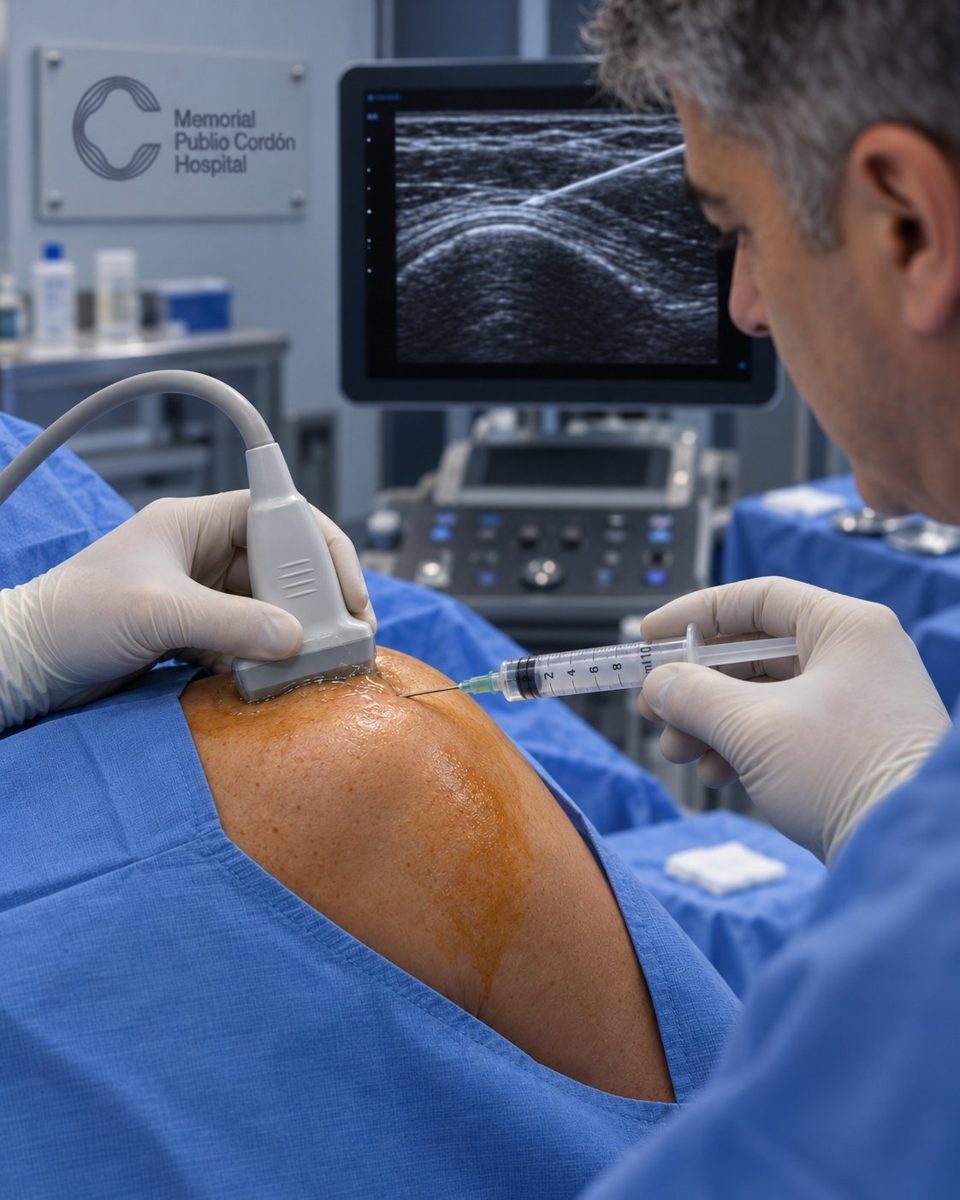
What regenerative therapies are
When we talk about regenerative therapies in clinic we mainly mean autologous growth factors. “Autologous” means they come from you: they are obtained from your own blood. It is the treatment many people know as platelet-rich plasma; both names refer to the same type of therapy.
Platelets contain proteins involved in tissue repair. By concentrating them and applying them to the injured area, the aim is to help control inflammation and restore the damaged tissue, whether a tendon, a fascia or the cartilage of a worn joint.
Because it is a product of your own blood, no foreign drug is introduced into the body.
What the procedure involves
It is an outpatient treatment, without surgery and without a hospital stay. It takes place in four steps:
- Drawing a small amount of blood, as for a blood test.
- Processing the sample on the spot, to concentrate the platelets and the proteins they contain.
- Ultrasound-guided injection: the real-time image allows the treatment to be placed precisely at the exact point of the injury.
- Going home the same day, walking.
It is common to feel local soreness for one or two days. The number of sessions and the interval between them are adjusted to each case. You can read more about the technique on the ultrasound-guided injections page.
Where they have the strongest scientific support
Not all injuries respond in the same way. The indications with the strongest support in the studies are:
- Mild and moderate knee osteoarthritis. It is the most studied indication; reviews of clinical trials show greater and longer-lasting relief than with hyaluronic acid or corticosteroids. More information in knee osteoarthritis.
- Tennis elbow (epicondylitis), pain on the outer side of the elbow caused by tendon involvement.
- Patellar tendinitis, pain in the tendon just below the kneecap.
- Plantar fasciitis, pain in the sole of the foot, especially at the heel.
These injuries affect anyone, whether they play sport or not. If you would like to see the specific studies, we have summarised them, with their links, in Autologous growth factors: what the studies say. You will find other tendon injuries in tendinopathy.
What they are not
Regenerative therapies are not miracles and do not replace exercise. They work best as part of a complete plan, which usually includes therapeutic exercise adapted to each person, and with the right indication.
They do not work in every patient: some respond very well and others do not. That is why no result is guaranteed and the decision to use them is always taken after a medical assessment.
With every safeguard
The treatment is carried out in a hospital setting, with a medical indication and using authorised procedures. No shortcuts.
Before it is proposed, an assessment is made in clinic, with your medical history, an examination and ultrasound. There are situations in which it should not be used, such as some blood disorders, infections or certain medications, and that prior assessment serves precisely to detect them.
Are you a candidate?
The only way to know is to assess it in clinic. If you have pain from knee osteoarthritis, a tendon that will not finish healing or plantar fasciitis that drags on, Dr Julio De la Morena can study your case at the Regenerative Therapies and Sports Medicine Unit of Hospital Memorial Publio Cordón and explain whether this treatment makes sense for you. You will find more details on the autologous growth factors page.
Frequently asked questions
Which doctor offers regenerative therapies with growth factors in Madrid?
Dr Julio De la Morena, specialist in Sport and Exercise Medicine, applies ultrasound-guided autologous growth factors at the Regenerative Therapies and Sports Medicine Unit of Hospital Memorial Publio Cordón, in Pozuelo de Alarcón (Madrid).
Which injuries is platelet-rich plasma used for?
The indications with the strongest scientific support are mild and moderate knee osteoarthritis, tennis elbow, patellar tendinitis and plantar fasciitis. Each case is assessed in clinic before it is indicated.
Do I need surgery or a hospital stay?
No. It is a treatment without surgery and without a hospital stay: a small amount of blood is drawn, processed on the spot and injected under ultrasound guidance, and the patient goes home the same day.
Do regenerative therapies replace exercise?
No. They are not a miracle and do not replace exercise. They work best as part of a complete plan, which usually includes therapeutic exercise, and with the right indication.
Do you recognise yourself in what you have just read?
Examination and ultrasound in the same appointment: you leave with a diagnosis and a plan. The first consultation does not commit you to any treatment: if it is not indicated, we will tell you.
Hospital Memorial Publio Cordón · Pozuelo de Alarcón · +34 913 548 990 · Monday to Friday, 15:00 to 21:00
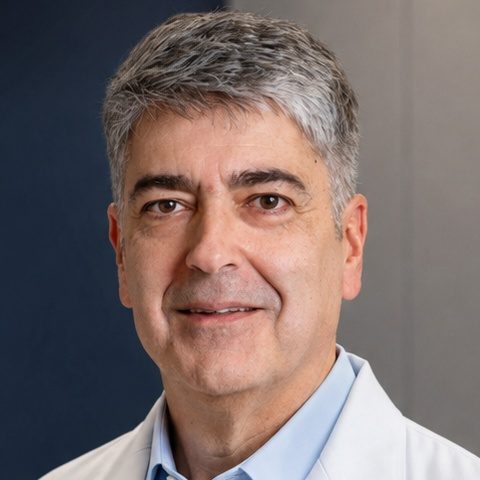
Article by Dr Julio De la Morena Garzón, specialist in Sport and Exercise Medicine (medical registration no. 281903698). General information that does not replace a medical consultation.