Spine · 21 October 2026
Low back pain: five key points and when the pain travels down the leg
Eight out of ten people will have low back pain at some point in their lives. Most improve within a few weeks, but there are cases where it is worth taking a careful look.
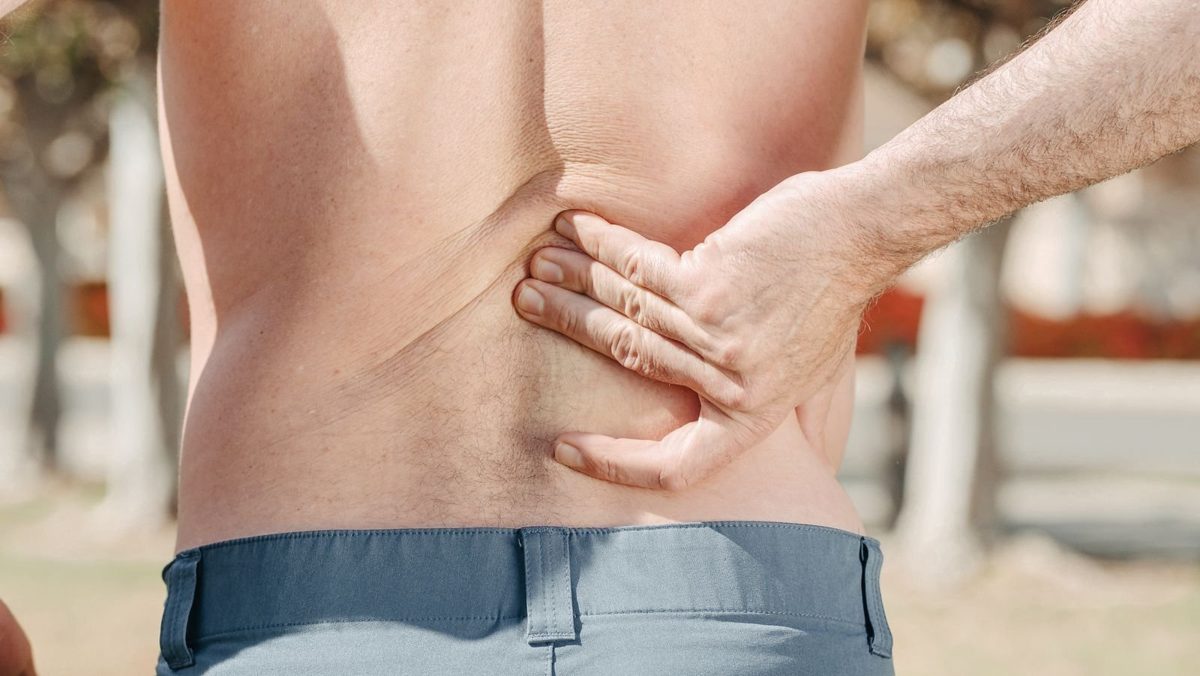
1. Movement is part of the treatment
Prolonged bed rest slows recovery. Walking and keeping up daily activity, within what the pain allows, helps the back recover sooner.
2. Most cases improve within a few weeks
Acute low back pain usually settles well on its own. If it has not improved after six weeks, or it keeps coming back, it needs to be investigated.
3. An MRI does not always explain the pain
Many people without any pain have disc herniations or wear on an MRI. Imaging helps, but the diagnosis comes from putting together what you describe, the examination and the tests.
4. Strength prevents relapses
Strengthening the abdominal, gluteal and back muscles is the best investment for your spine. A tailored exercise plan reduces relapses.
5. When the pain travels down the leg
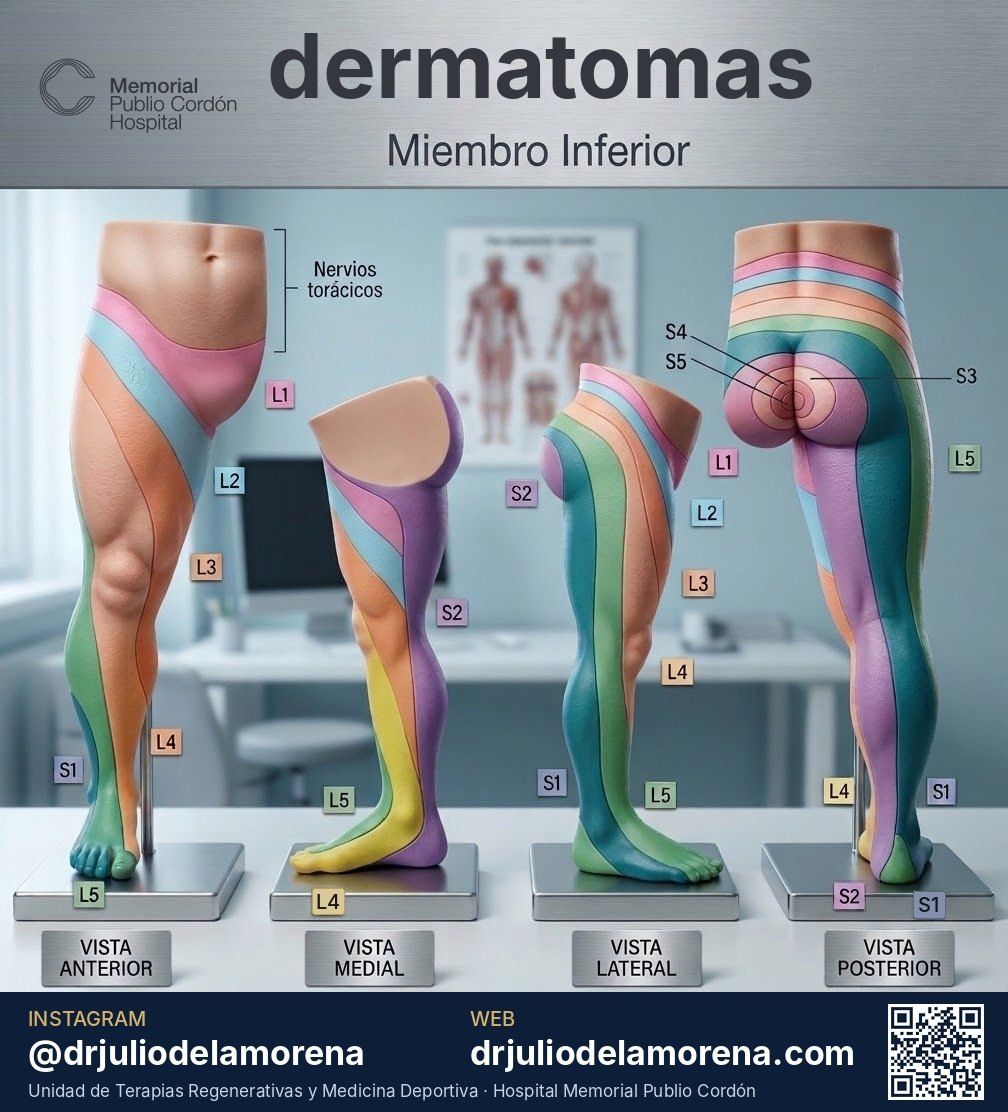
When a nerve root in the lumbar spine is irritated or compressed, for example by a disc herniation, the pain can spread down the buttock and leg, sometimes to the foot. It usually comes with tingling, burning or loss of strength.
This is what we call radiculopathy, and sciatica is the best-known example. It is pain of nerve origin: it is diagnosed with a good examination and, in many cases, it can be treated without surgery.
When the pain becomes chronic
- Accurate diagnosis, with examination and ultrasound.
- An exercise plan tailored to you.
- Ultrasound-guided injections, if indicated.
Do you recognise yourself in what you have just read?
Examination and ultrasound in the same appointment: you leave with a diagnosis and a plan. The first consultation does not commit you to any treatment: if it is not indicated, we will tell you.
Hospital Memorial Publio Cordón · Pozuelo de Alarcón · +34 913 548 990 · Monday to Friday, 15:00 to 21:00

Article by Dr Julio De la Morena Garzón, specialist in Sport and Exercise Medicine (medical registration no. 281903698). General information that does not replace a medical consultation.